Advanced Lubricant Manufacturing
Established 2015
Technical & Industrial Solutions
Yaha next page ka hero description ayega — 2 se 3 lines me. Jaise hi aap text bhejoge, mai isi design me fit karke de dunga.

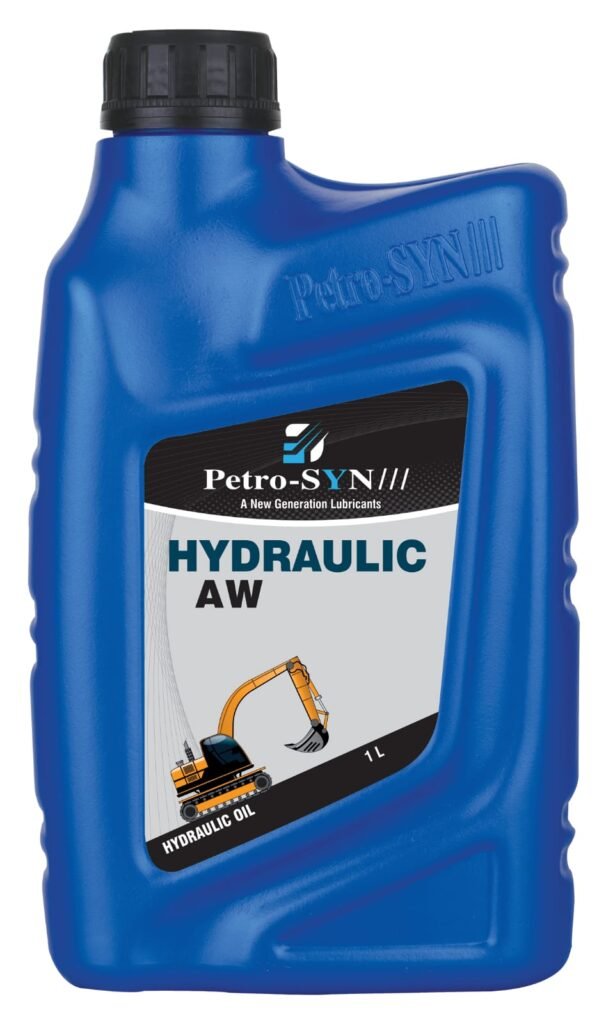
Manual gearboxes prioritize extreme-pressure protection and smooth synchronizer engagement, while automatic transmissions require a fluid that also performs as a hydraulic medium — transmitting force cleanly without shudder or slipping.
Manual gearboxes typically prioritize extreme-pressure protection and smooth synchronizer engagement.
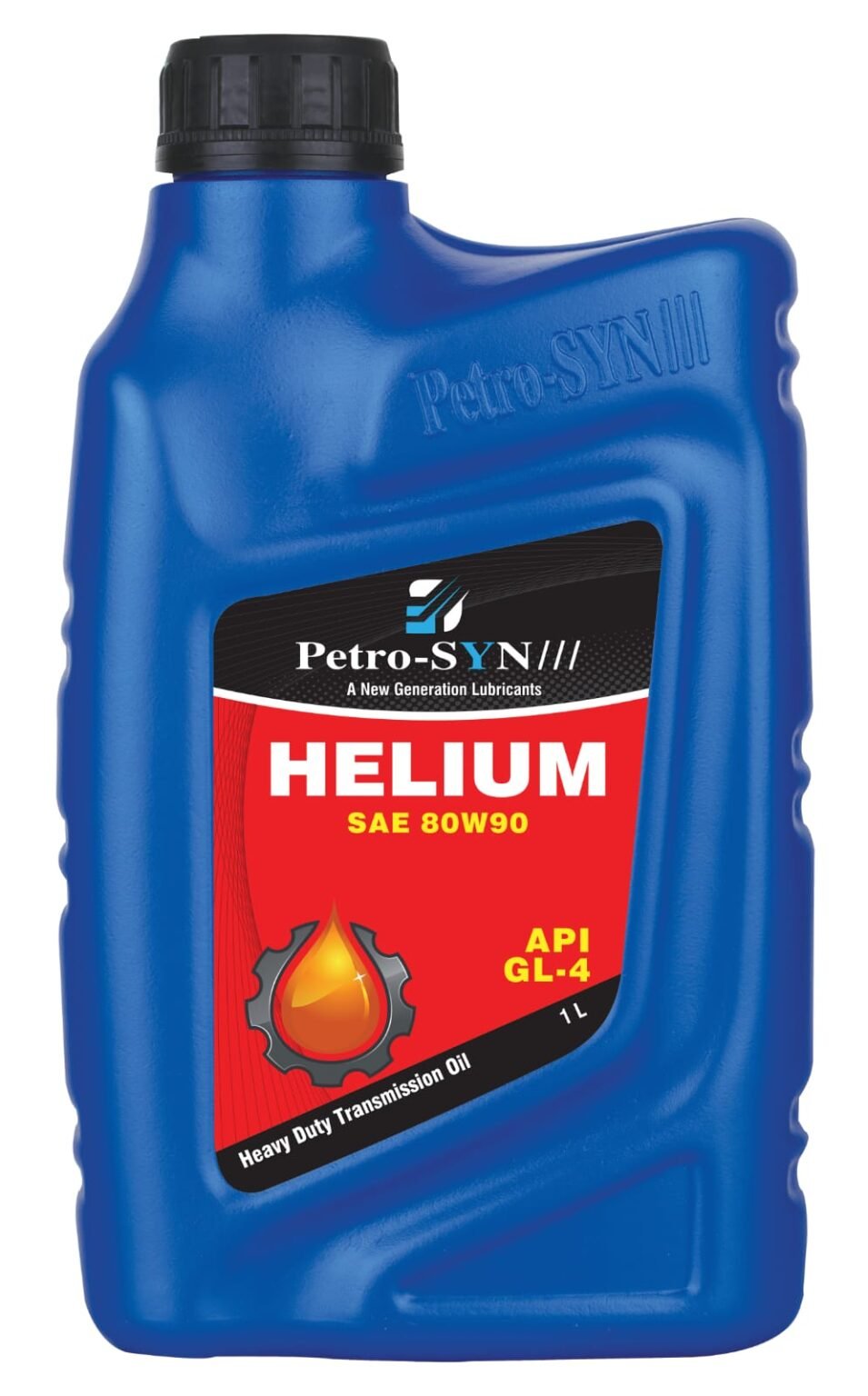
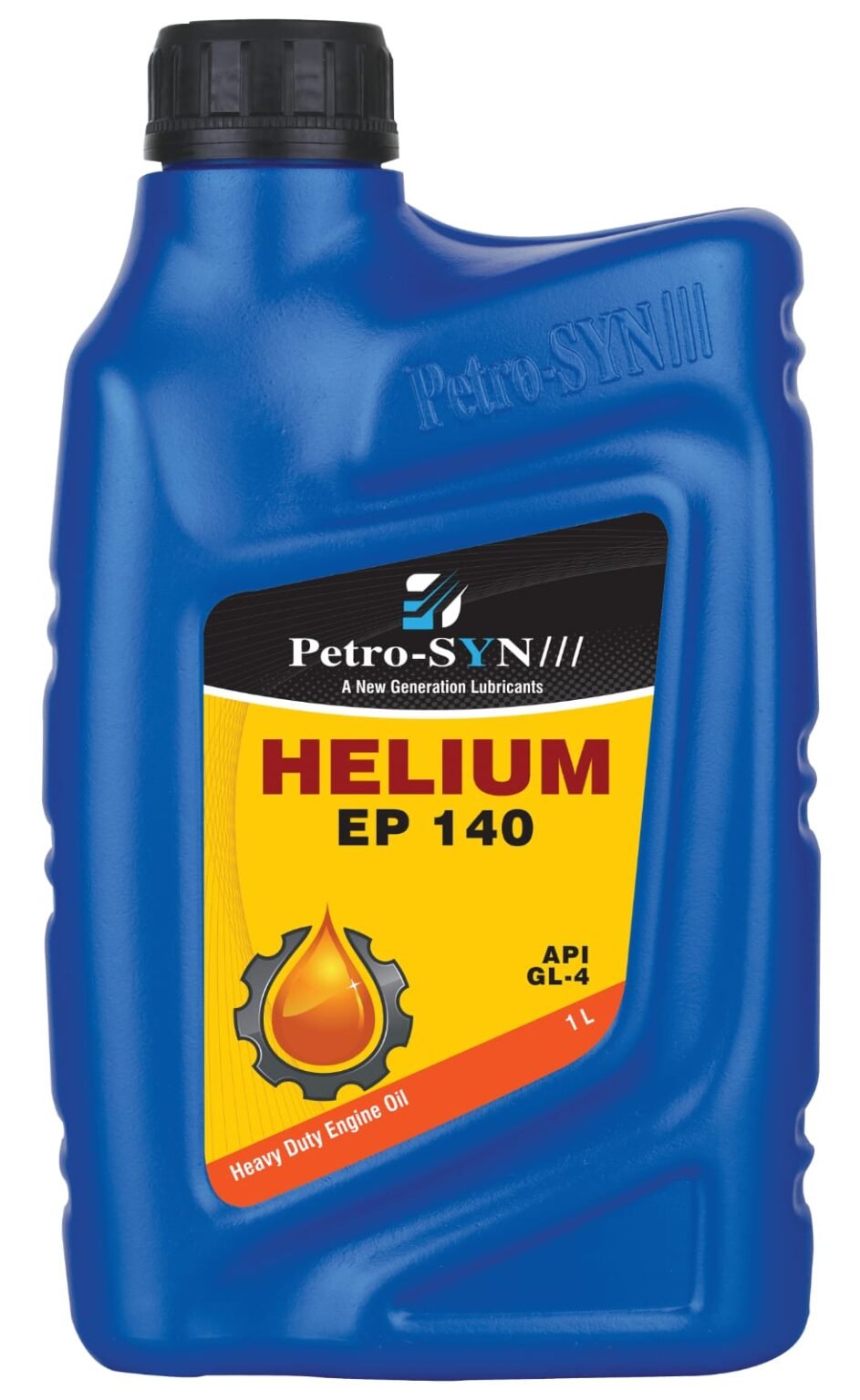
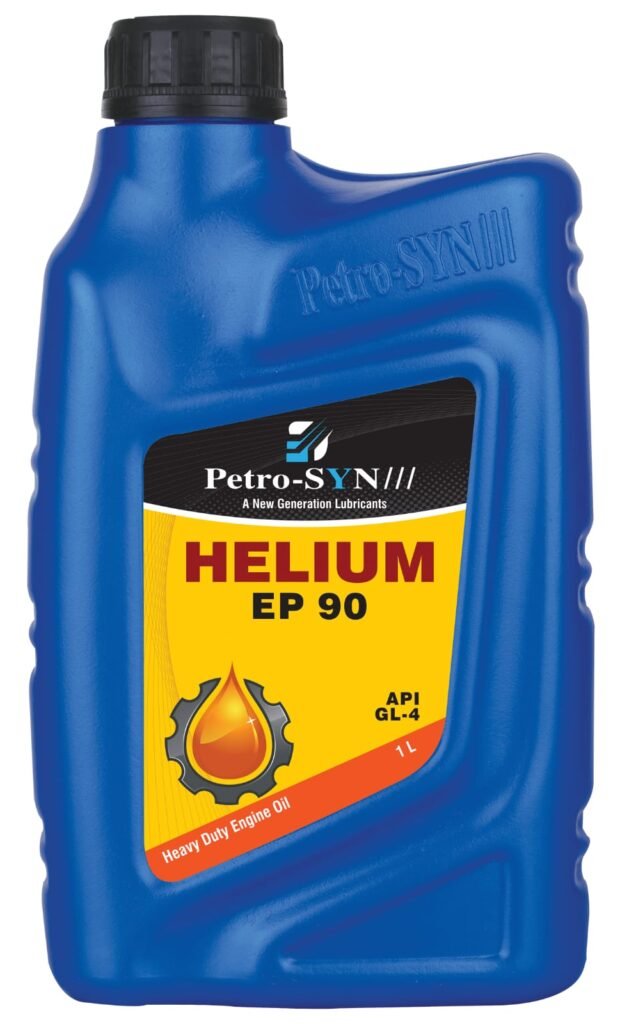

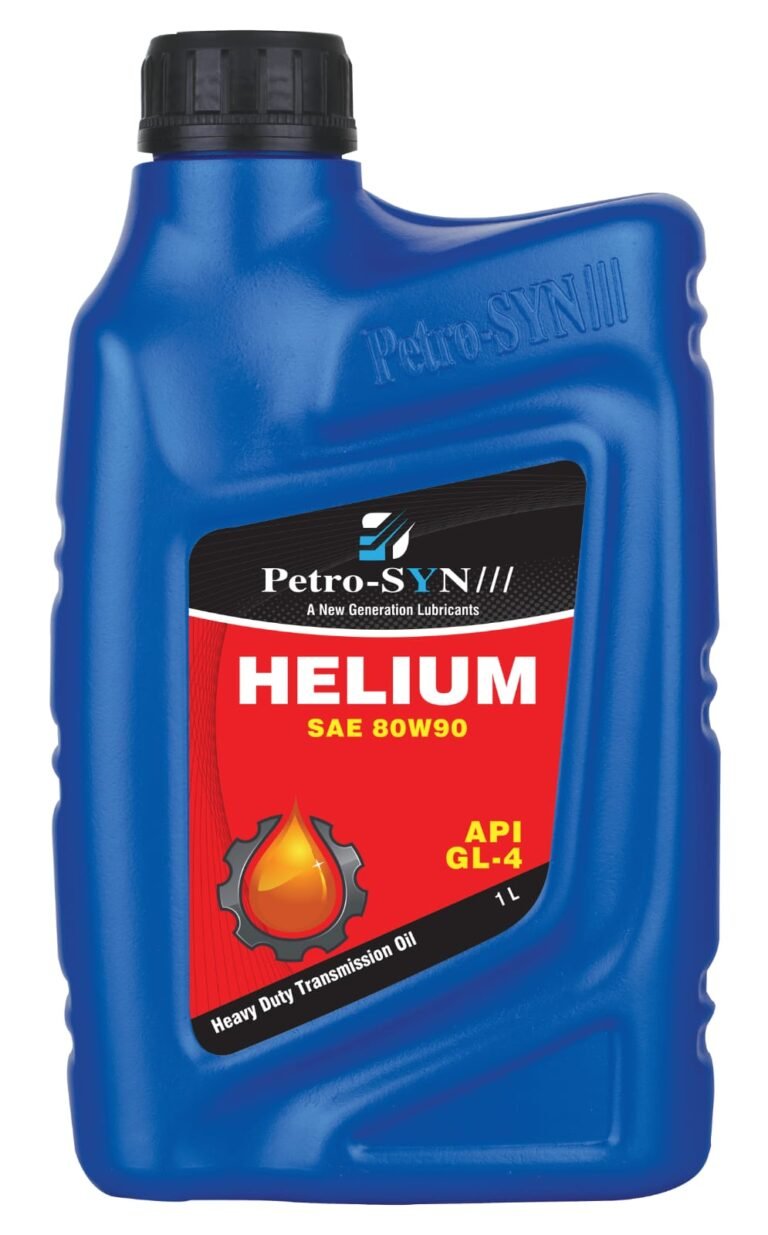


Automatic transmissions require a fluid that also performs as a hydraulic medium — transmitting force cleanly through torque converters and clutch packs without shudder or slipping.


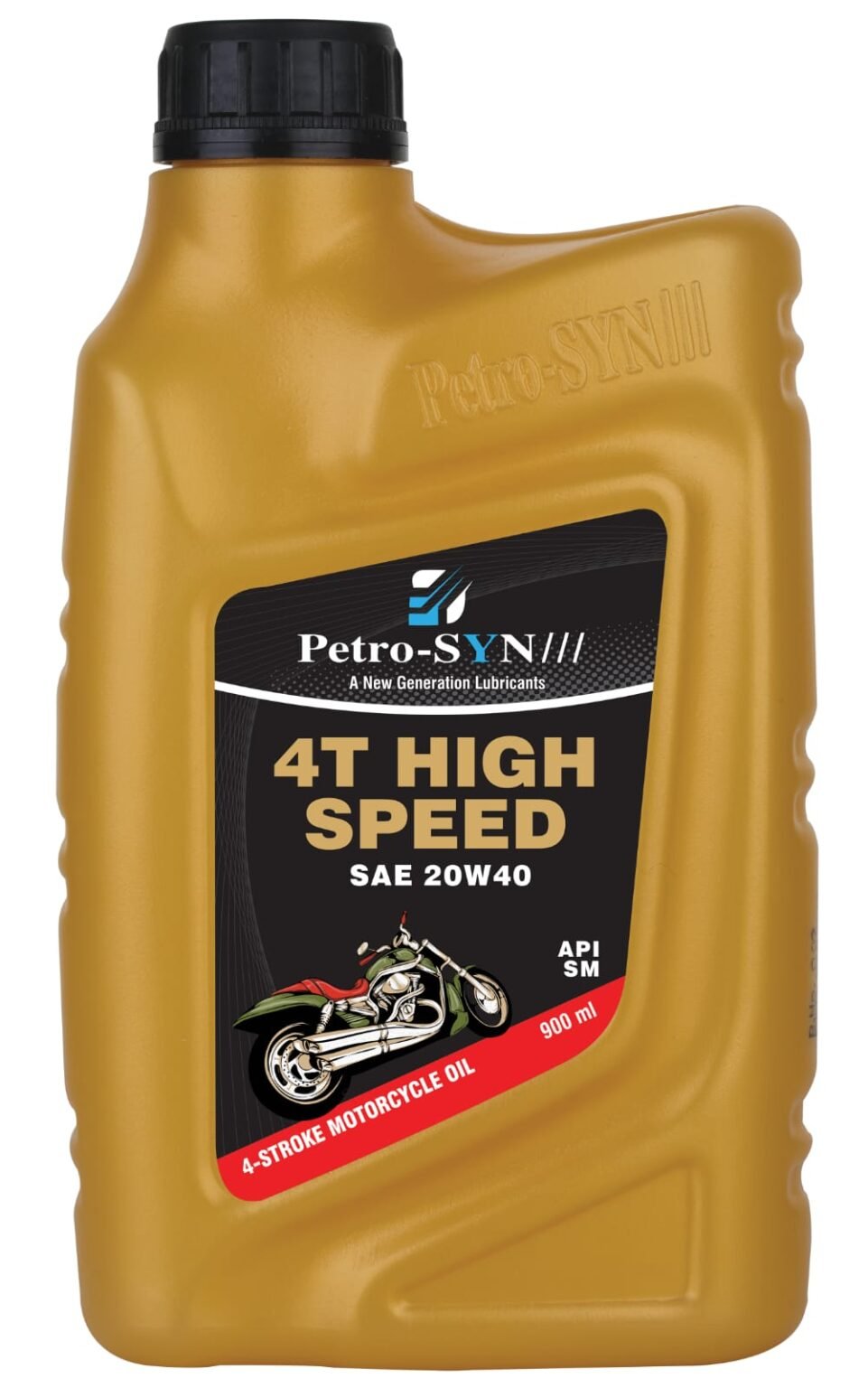

Gear teeth meet under conditions of extremely high localized pressure, particularly during shifts and shock-load events like sudden acceleration. Extreme-pressure (EP) additives in our transmission oils form a protective boundary layer under these conditions, preventing the metal-to-metal contact that would otherwise occur when the fluid film alone can't withstand the load. This protection is especially critical in heavy-duty and commercial vehicle applications, where transmissions routinely operate under sustained high-torque conditions that a lighter-duty formulation wouldn't be built to handle.
A transmission oil that performs well mechanically but degrades the seals it contacts creates a different problem entirely — leaks, contamination, and eventual fluid loss. We formulate with seal compatibility as a core requirement, not an afterthought, so our transmission oils maintain the elastomer and metallurgy compatibility that keeps a transmission assembly sealed and protected across its full service life.
Beyond base oil selection, the additive package is what determines how a transmission oil actually behaves under real operating conditions. Friction modifiers control how smoothly clutch packs and synchronizers engage — too little, and shifts feel harsh or shudder develops; too much, and slippage under load becomes a risk. Anti-wear additives protect gear surfaces during the boundary-lubrication moments when the fluid film is thinnest, typically at startup or under sudden load. Oxidation inhibitors slow the chemical breakdown that heat and air exposure cause over time, which is what allows a transmission oil to hold its properties across an extended service interval rather than needing frequent changes. We treat this additive balance as a formulation decision specific to each product grade, not a fixed recipe applied uniformly across the range.
Transmission oil selection isn't one-size-fits-all, even within a single vehicle category. Viscosity grade, friction characteristics, and additive chemistry all need to match the specific transmission design — a modern automatic transmission with clutch-to-clutch shifting has different friction requirements than an older hydraulic automatic, and a heavy-duty manual gearbox built for towing has different extreme-pressure needs than a light passenger vehicle. Using the wrong grade doesn't always cause immediate failure, but it typically shows up over time as harsher shifting, increased wear, or reduced service life. Matching grade to specification is one of the most consequential — and most overlooked — decisions in transmission maintenance.
Petro-SYN transmission oils serve passenger vehicle manual and automatic transmissions, commercial and heavy-duty vehicle gear systems, and industrial gearbox applications where similar shear and thermal demands apply. Whether you're maintaining a single vehicle or managing a fleet running mixed transmission types, our range is built to match the specific gear system your equipment depends on.
A transmission oil that maintains its viscosity, film strength, and thermal stability across its full service interval is what allows that interval to actually be trusted. Premature breakdown doesn't just risk transmission wear — it undermines the maintenance schedule built around the product's expected performance. Our transmission oils are formulated to hold their protective characteristics for the interval they're specified for, so scheduled maintenance reflects the fluid's actual condition rather than a conservative guess.
For guidance on the right transmission oil grade for your specific vehicle or equipment type, reach out through our Contact page — our team can help match the product to your transmission's specifications and operating conditions.
Why It Matters for Service Intervals: A transmission oil that maintains its viscosity, film strength, and thermal stability across its full service interval is what allows that interval to actually be trusted.
Established 2015. We manufacture advanced transmission, industrial, marine, automobile, aviation, motorcycle & diesel engine oils trusted across industries.